Available courses

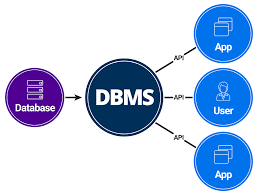
  • Introduction to DBMS concepts, data models, and database design principles.

  • Understanding of relational data models, entity-relationship modeling, and SQL.

  • Study of data structures, file organization, indexing, and query processing.

  • Learning transaction management, ACID properties, concurrency control, and recovery.

  • Application of data normalization and database design to ensure data integrity.

  • Hands-on practice with SQL queries and managing database systems.

  • Overview of advanced topics like multi-tier architectures and web-based databases

  • Introduction to Python: What Python is, its uses, and why it's popular for readability and ease of learning.

  • Basics: Installing Python, running Python code, and understanding syntax.

  • Core Concepts: Variables, data types, expressions, conditionals, loops, and functions including parameters, return values, and scopes.

  • Advanced Concepts: Object-oriented programming (OOP), modules and packages, error handling, and decorators.

  • Practical Applications: Automating repetitive tasks, data processing (CSV, JSON, Excel), web scraping, API interaction, and UI testing.

  • Projects: Building real-world projects like command-line utilities, websites with Django, and simple machine learning applications.

  • Introduction to Tableau: Understanding the interface, installing Tableau, and connecting to various data sources.

  • Fundamentals of Visualization: Creating basic charts, maps, and tables; understanding design principles and best practices in visual analytics.

  • Advanced Visualization Techniques: Creating calculated fields, using table calculations, and designing dual-layer maps.

  • Dashboard and Storytelling: Combining visualizations into dashboards, building KPIs, and crafting compelling data stories.

  • Practical Projects: Hands-on data exploration, creating dashboards, and presenting narratives based on data analysis.